Have you ever wondered whether your name shapes how others see you? The answer might surprise you.
Research shows that people do judge you based on your name. This happens even before they meet you. From the sounds in your name to cultural associations, these snap judgments can influence everything from job opportunities to social interactions.
Why Do We Judge People By Their Name? (The Truth)
- Your brain judges a name in seconds—before you even meet the person
- Soft sounds (like "Lauren") = warm and agreeable
- Sharp sounds (like "Katie") = bold and energetic
- Names whisper clues about age, background, and ethnicity
- These instant impressions aren't random—they're learned from culture
- The kicker? They can quietly open or close doors in jobs and life
New Study Reveals How People Judge Your Personality Based On Your Name
A new study published in the Journal of Experimental Psychology: General has uncovered something fascinating. People judge your personality simply by hearing your name.
Researchers at the University of Calgary made an interesting discovery. They found that people consistently associate certain sounds in names with specific personality traits.
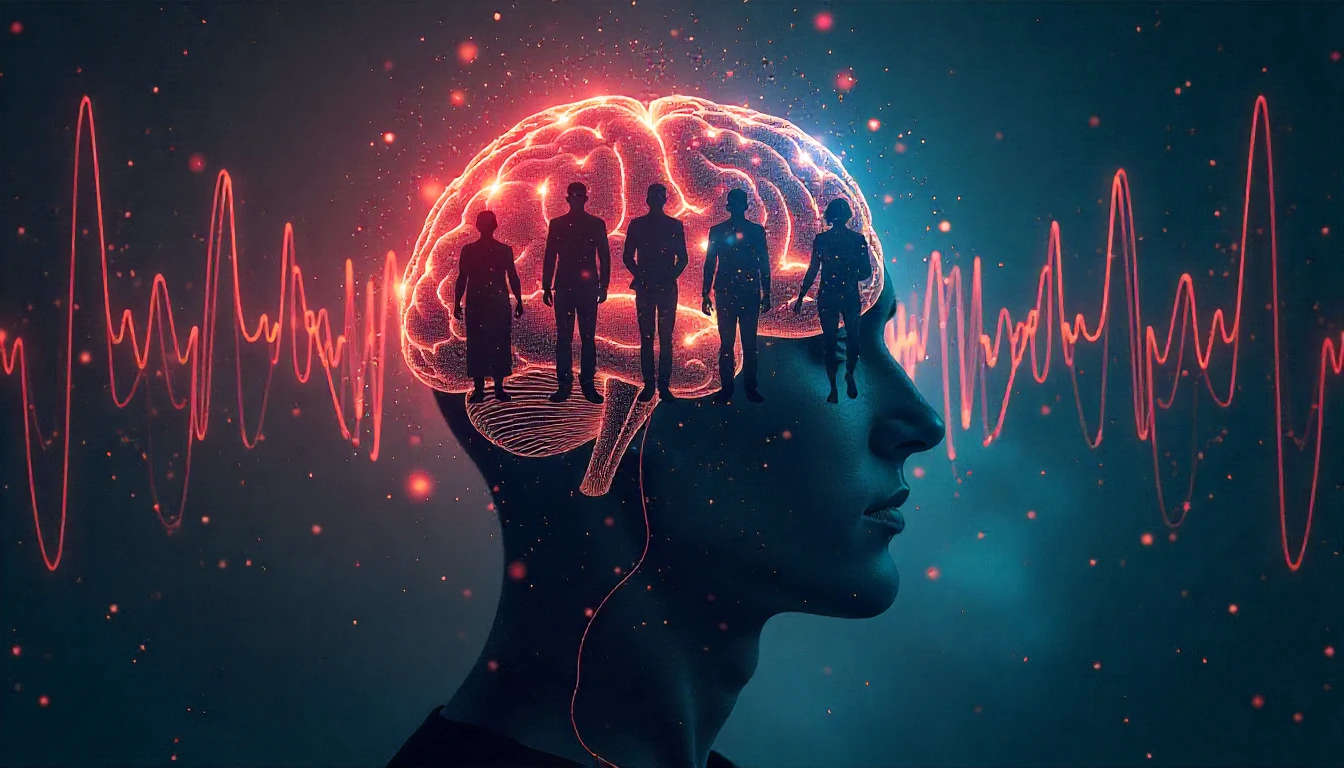
The study looked at two types of sounds. First, "sonorants"—these are resonant sounds like m, l, and n. Second, "voiceless stops"—these are sharp sounds like k, t, and p.
Here's what they found. Names with sonorant sounds were rated higher on agreeableness and emotionality. Meanwhile, names with voiceless stops were perceived as more extraverted.
The researchers asked 500 college students to evaluate fictional characters in various scenarios. They tested names like Lauren, Owen, and Joan. These were rated as more agreeable and conscientious.
In contrast, names like Katie, Jack, and Carter were seen as more extraverted and energetic. The pattern held even when they used made-up names.
Across multiple experiments involving 180 participants, the results stayed consistent. The name impacts how others judge you—even when they have no other information about you.
Here is the American Psychological Association research paper Does the Name Say It All?
Why Do We Judge People By Their Name? The Science Behind It
When we judge people by their name, something interesting happens in our brains. We're engaging in a complex psychological process. This involves sound symbolism and cultural learning.
What Your Name Reveals About Your PersonalityResearchers say the association between sounds and personality may have a simple explanation. We might use softer, sonorant sounds in calmer, more nurturing situations. Over time, this creates unconscious associations.
Think about the abrupt nature of voiceless stops. These could metaphorically mirror the quick, bouncy energy of extraversion. Our brains make these connections automatically.

But there's more to the story. Names also serve as a proxy for other information about a person. They can signal ethnicity, socioeconomic status, and generational background. These associations shape expectations before any real interaction occurs.
The psychology behind this phenomenon is multilayered. Sound patterns matter. Cultural context matters too. Together, they create powerful first impressions.
Find Out If You and Your Partner Are a Perfect Name MatchHow Your Name Impacts How Others Judge You
The way your name impacts how others judge you extends beyond sound symbolism. Previous studies have documented something concerning. Names have been linked to many life choices and opportunities throughout life.
One landmark study examined this directly. Economists Marianne Bertrand and Sendhil Mullainathan sent out identical resumes to prospective employers. The only difference? The names on top.
The results were striking. Resumes with white-sounding names received 50 percent more callbacks. An applicant named Emily or Greg needed to send about 10 resumes to get one callback. Meanwhile, Lakisha or Jamal needed to send approximately 15.

This demonstrates something important. Certain names trigger different perceptions based on racial and cultural associations. The resume quality mattered more for white-sounding names too. A higher-quality resume increased callbacks by 30 percent for these names. It had a much smaller effect for African-American names.
These findings reveal uncomfortable truths. People judge based on names in ways that can limit opportunities.
Best Names That Sound Good In English & SpanishNames Affect What Others Expect: From Classroom to Career
Names affect what others expect from us in educational settings. They matter in professional environments too. The expectations tied to a name given at birth can follow someone throughout their life.
Consider the classroom. Teachers may unconsciously form different expectations based on students' names. One study found something revealing. People may assume a student named Alexandra will get an A in class but Amber might face lower expectations.

That's what their peers expect too. This creates a self-fulfilling dynamic that can shape academic performance.
In career contexts, a person's name can influence many things. Hiring decisions, promotion opportunities, and networking effectiveness all come into play. Research shows that uncommon names sometimes face different treatment than a common name. The direction of bias can vary by context and culture.
Here's something even more subtle. The kind of work people pursue may be influenced by name-based expectations. These expectations become internalized over time. They can affect someone's career path in ways they might not even recognize.
The Research: What First Names Really Signal About Personality
What do first names actually tell us about personality? According to research findings, very little directly. But they communicate volumes about how people will perceive us.
The University of Calgary researchers tested something important. They wanted to know if people's actual personalities matched the sounds in their names. The answer was no.
People with sonorant names weren't actually more agreeable. Those with voiceless stop names weren't genuinely more extraverted. The connection exists only in perception, not reality.
Why does this matter? Because perceptions shape interactions. If people expect warmth based on your name, they approach you differently. They might behave one way with someone named Lauren and another way with someone named Katherine.
Female names were associated with warmth but not competence in some studies. This creates potential barriers in professional settings. The trait associations people make are learned through cultural exposure rather than reflecting any inherent meaning.
Sophisticated Girl NamesNames change in popularity across generations. The meanings encoded in people's names shift with cultural evolution. What seemed sophisticated in one era might feel dated in another.
Understanding Name Bias and Social Association
Name bias operates through learned social association patterns. When we hear a name, something happens quickly in our brains. We rapidly connect it to accumulated experiences, cultural messages, and patterns we've observed.
A person's name becomes a mental shortcut for categorization. This isn't necessarily malicious. It's often unconscious and automatic. However, this tendency to judge people before meeting them can have real consequences.
Think about how names signal information. They can indicate socioeconomic background through multiple pathways. Certain names correlate with specific generations, regions, or cultural groups. Each carries its own associations.
According to a small new study of how meanings are encoded in language, these associations form early in life. They prove remarkably resistant to change.
The connection between a person's name and perceived characteristics reflects something larger. It shows broader societal patterns at work. When people with names from different backgrounds face unequal treatment, it reveals systemic biases. These operate through seemingly neutral channels.
Can You Overcome Name-Based Judgement? What the Data Shows
Initial impressions based on your name are hard to avoid. But there are strategies to overcome them. New research on reducing bias suggests several approaches.

Organizations can take action. They can implement blind review processes where names are temporarily removed from applications. Studies at Syracuse University and other institutions found something encouraging. People judge resumes more fairly when names are hidden during initial screening.
For individuals, awareness helps tremendously. Understanding that others perceive you through the lens of name-based associations is the first step. This knowledge allows you to address assumptions directly.
Strong first impressions through other channels make a difference. A professional website, portfolio, or personal introduction can quickly override name-based expectations. These tools give you control over your narrative.
Cultural attitudes tend to evolve over time too. As workplaces become more diverse, people encounter wider varieties of names. Some associations may weaken as a result. However, this shape of change happens slowly. It requires active effort to accelerate.
Here's the key insight. We can't control others' initial reactions. But we can influence how those reactions develop. Meaningful interactions based on actual personality and competence ultimately carry more weight than a name given at birth.
Frequently Asked Questions
How does your name affect how people judge you?
Your name creates immediate associations in others' minds through sound patterns and cultural familiarity. The sounds in your name matter—whether soft and resonant or sharp and abrupt—they trigger personality expectations.
Additionally, names signal information about background, generation, and ethnicity. This influences how people approach and evaluate you. These judgments happen automatically, often within seconds of hearing your name.
What did the new study find about names and personality?
The new study of the meanings encoded in names revealed something important. People consistently judge personality based on sound patterns in names.
Names with sonorant sounds—like Lauren and Owen—were rated as more agreeable and emotionally warm. Names with voiceless stops—like Katie and Jack—were perceived as more extraverted.
The most important finding? These perceptions don't match actual personality differences. The associations exist only in people's minds, not in reality.
Do certain names make people perceive you differently?
Yes, certain names trigger distinctly different perceptions. Research found that people associate some names with warmth and others with competence. Still others carry specific socioeconomic or ethnic associations.
Names like Emily and Olivia carry different associations than names like Joan or Katherine. These differences affect initial judgments in both social and professional contexts. The impact can be significant, especially in situations where first impressions matter most.
What is the psychology behind name judgement?
The psychology involves learned associations between sounds, cultural patterns, and personal experiences. Our brains use names as a proxy for gathering quick information about someone.
We may associate softer sounds with calmness and agreeableness. Meanwhile, sharper sounds evoke energy and extraversion. Cultural learning also connects names to social groups, creating broader associations.
This happens automatically. Most people aren't consciously aware they're making these judgments based on names alone.
Can your name impact your career and education?
Research demonstrates clear impacts in both areas. In one famous study, job applicants needed to send 50 percent more resumes to get callbacks if they had African-American-sounding names. This compared to applicants with white-sounding names.
In education, names can trigger different teacher expectations. A person's name may even influence their own choices about career and education. This happens through internalized associations that develop over time.
The effects are real and measurable. They can create barriers that affect long-term outcomes.
Are common names judged differently than unique names?
People tend to have different reactions to common versus unique names. The nature of the difference varies by context though.
A common name might be perceived as more familiar and approachable. Unique names can stand out memorably. However, they may also face pronunciation challenges or unfamiliar associations.
The judgement depends on the specific cultural setting. What's considered unique in one community might be common in another. Context always matters when it comes to name perception.
What do researchers say about name bias?
Researchers say name bias is a real, measurable phenomenon. It operates largely unconsciously, which makes it particularly challenging to address.
Studies across multiple fields have documented how names influence outcomes. They affect hiring decisions, social interactions, and initial personality assessments. The associations don't reflect actual personality differences. Yet they nonetheless shape real-world outcomes.
Researchers emphasize the importance of awareness. They also recommend systemic changes like blind review processes. These steps can help reduce unfair bias based on names.